Slow leaks are one of the most underestimated threats to Atlanta homes. Most people imagine water damage as something sudden, loud, and dramatic, such as a pipe bursting in the middle of the night or storm water rushing inside during heavy rain. Those events are serious, but the truth is that many of the most expensive and destructive water problems begin quietly. Slow leaks develop out of sight, often behind walls, beneath flooring, inside ceilings, or under sinks. These leaks continue for weeks or even months before anyone notices them, and by the time they are discovered, the damage has already spread far beyond the surface.
Atlanta homes are especially vulnerable to this kind of damage. The climate has a major influence on how water behaves. High humidity, warm temperatures, and frequent rain create an environment where moisture stays trapped longer than it would in many other regions. Once water settles inside building materials, it becomes very difficult for that moisture to evaporate naturally. This leads to a cycle where leaks continue unnoticed while humidity in the home feeds the damage further. The longer water remains hidden, the more opportunities mold and structural deterioration have to grow.
Slow leaks do not need a large opening to cause serious issues. A tiny crack in a pipe, a loose plumbing connection, or a small gap around a fixture can release just enough water to begin saturating nearby materials. Drywall absorbs moisture until it becomes soft and unstable. Insulation becomes damp and loses its ability to regulate indoor temperature. Wood framing swells, bends, and weakens under extended exposure. All of this can happen without any visible surface clues. Weeks may pass before stains appear or flooring becomes uneven, and by that time, the damage is already deep inside the structure.
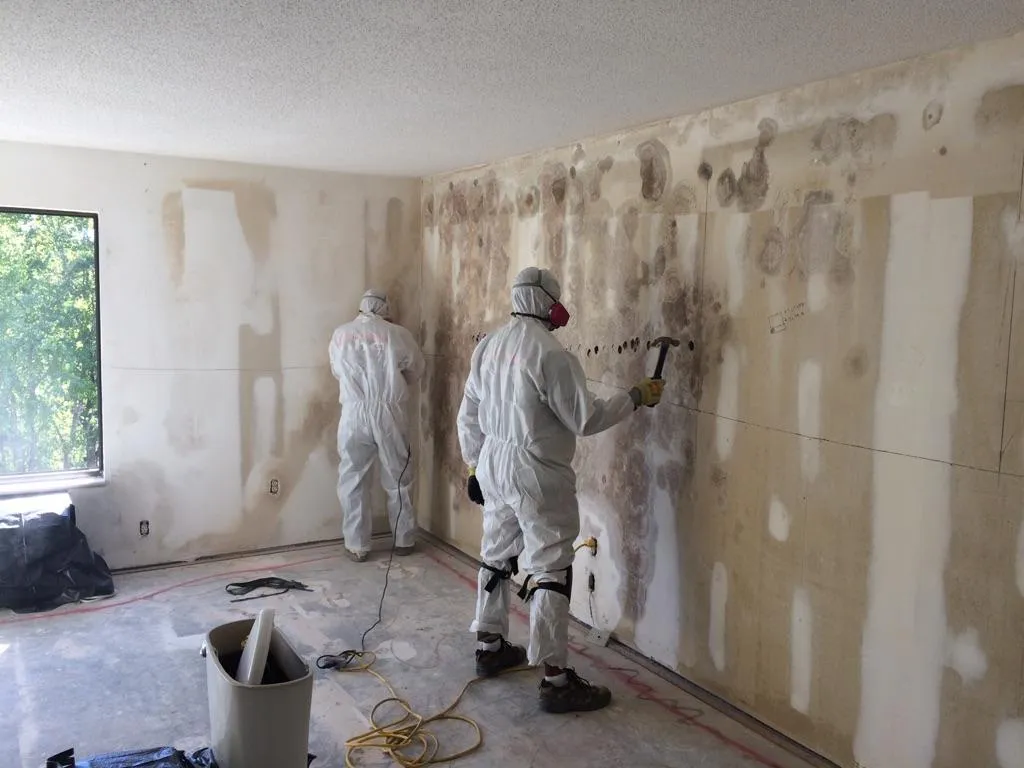
Atlanta’s humidity intensifies this process. When warm moist air surrounds materials that are already wet, the drying process slows dramatically. This means that even a small leak can create a long term moisture pocket inside a wall or floor. Once moisture is trapped, mold begins to grow. Mold does not need much to thrive. It only needs a damp surface, a warm environment, and organic material, all of which are common inside Atlanta homes. When mold begins spreading as a result of a slow leak, residents may notice a musty smell long before they see visible patches.
The structural impact of slow leaks is another hidden danger. People often underestimate how strongly water affects the strength of their home. Wood framing that holds up walls and ceilings can weaken. Subfloors may sag or become unsafe to walk on. Drywall can crumble with just a touch. What started as a small unnoticed drip can grow into a situation where major repairs or even reconstruction are required. The slow silent nature of these leaks gives homeowners a false sense of security until the damage reaches a point where it can no longer be ignored.
Beyond structural concerns, mold becomes a major issue. Mold spores spread through the air and settle across surfaces throughout the home. Even small amounts of mold can cause breathing difficulties, headaches, and irritation, especially for those with allergies or asthma. In Atlanta’s warm climate, mold spreads quickly, making it even more important to detect and address leaks before mold has the chance to grow. A slow leak may begin as a minor nuisance, but it can evolve into a serious health concern if left unchecked.
Slow leaks also carry financial consequences. Repairs become more expensive the longer the leak continues. What could have been a simple fix may turn into a project that requires removing large sections of drywall, eliminating mold growth, replacing damaged structural components, and drying areas that have been wet for months. By the time a homeowner finally sees a stain or feels soft flooring underfoot, the cost of repair is often significantly higher than it would have been if the leak were found earlier.
Because slow leaks are hidden, homeowners must pay attention to early signs. One sign is a persistent musty odor, which often indicates trapped moisture. Another is discoloration or bubbling on walls or ceilings. Some homeowners notice soft spots in flooring or peeling paint. Others see an unexpected increase in their water bill, even though their usage has not changed. These signs may seem small, but they often point toward a slow leak that has already begun causing damage behind the surface.
Professional inspections are extremely effective in identifying slow leaks early. Restoration experts use advanced equipment such as moisture meters and thermal imaging cameras to detect moisture inside walls and ceilings. These tools reveal what cannot be seen, allowing experts to trace the leak to its source and determine the full extent of the water movement. Without this level of detail, homeowners may fix only part of the issue, leaving hidden moisture behind to cause future problems.
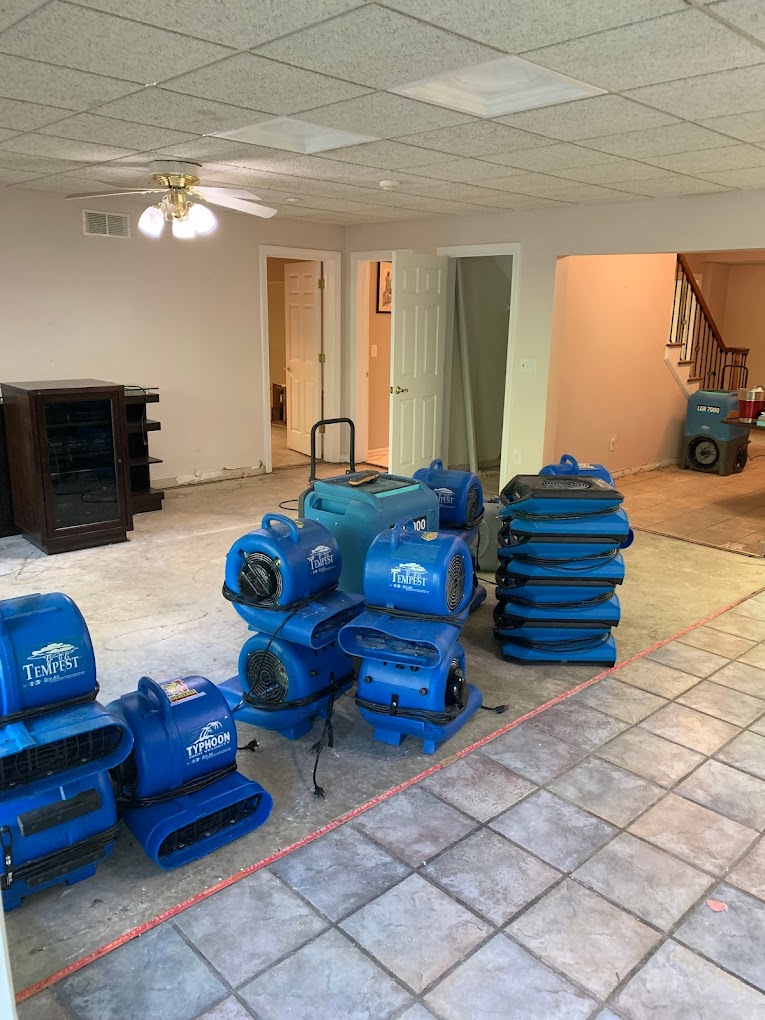
Once a slow leak is confirmed, the next step is proper water removal and drying. Drying a home correctly requires more than opening windows or running household fans. Professional drying equipment pulls moisture from deep inside building materials. This step is especially important in Atlanta’s climate, where moisture tends to linger. Thorough drying prevents mold from returning and keeps the structure strong. Without professional drying, moisture can remain and continue causing damage long after the initial leak is repaired.
Preventing slow leaks is the best way to avoid costly repairs. Homeowners should regularly inspect plumbing fixtures, check beneath sinks, and pay attention to areas that feel damp after rain. Monitoring water usage and keeping track of monthly bills can also reveal small leaks early. Being familiar with the home’s plumbing system allows homeowners to address small concerns before they become serious problems. Understanding how the home reacts after storms can also provide clues about moisture entering the structure.
Ignoring a slow leak can lead to serious problems that affect comfort, safety, and financial stability. Mold growth can impact indoor air quality. Structural weakening can put the property at risk. Repair costs grow significantly as the damage spreads silently through the building. Early action is the most effective way to protect the home and avoid these long term consequences.
Slow leaks may not draw attention immediately, but their effects are far reaching. Atlanta’s climate amplifies the risk by slowing natural drying and encouraging mold growth. A slow leak that seems harmless in the beginning can transform into a major restoration project if left undetected. Homeowners who learn to recognize early warning signs and act quickly can prevent severe damage and protect their investment.
For anyone who suspects a leak or notices even the smallest sign of moisture, professional inspection and immediate action are essential. In water damage, time always matters, and slow leaks are no exception. Early detection and proper restoration make the difference between a minor fix and extensive reconstruction. Understanding the dangers and responding quickly ensures that Atlanta homes remain safe, strong, and comfortable for years to come.