Mold is one of the most persistent and disruptive problems that Atlanta homeowners face. It does not arrive with dramatic noise or immediate destruction. It grows quietly in the background, usually starting in spaces that no one checks often. A little moisture, a warm environment, and limited airflow are all it needs to spread. Atlanta’s climate provides all three, which is why mold becomes a serious issue in many homes throughout the region.
Once mold begins to grow, it releases spores that can travel through the air and settle in different areas of the home. A small patch in one room can turn into a larger problem in several rooms in a matter of days. Mold not only damages surfaces, but it also affects the comfort and health of the people living inside the property. Understanding how mold spreads and how to stop it early is essential for protecting both the home and the family.
Mold spreads for one simple reason: moisture. Water intrusion from leaks, flooding, or high indoor humidity allows mold to take hold quickly. In Atlanta, humidity stays high for much of the year. Even small amounts of moisture can remain trapped in walls, floors, and ceilings. When moisture does not dry out, mold begins to grow. It often starts in hidden places such as behind drywall, under flooring, inside carpets, or near windows where condensation forms easily.
Once mold begins to grow, it reproduces through spores. These spores spread throughout the home as air moves from room to room. Running the air conditioning system, opening doors, and even walking through affected areas can move spores farther. When spores land on a damp surface, they begin to grow again, creating new colonies. This is how a small patch in one part of a home can quickly become a more widespread problem.
Bathrooms, basements, laundry areas, and kitchens are the most common places where mold begins. These areas often have poor ventilation, regular moisture, and surfaces that stay damp for long periods. Water from showers, sinks, or appliances does not always dry completely. Even small puddles or condensation on walls can be enough to start the growth process. In Atlanta, where warm air holds moisture easily, these areas become ideal for mold to expand.
One challenge homeowners face is that mold does not always appear where the moisture originally entered. Water can travel behind walls or along beams, reaching areas far from the source. Homeowners often discover mold in places they did not expect because the moisture followed a path inside the structure. This makes mold complicated to diagnose without the right tools.
Ventilation systems can also spread mold throughout a home. When mold grows near an air duct or inside an HVAC system, spores can enter the airflow and move into every room. This makes it difficult for homeowners to control the spread without professional help. In addition to damaging property, this kind of spread can affect indoor air quality, which is a serious concern for families with children, elderly individuals, or anyone with allergies or respiratory conditions.
Recognizing the early signs of mold is important. A musty smell is often the first and most reliable clue. Even if the mold is not visible, the odor indicates that moisture is present and mold is growing behind the surface. Discoloration on walls, peeling paint, warped flooring, or dark spots near vents can also signal mold activity. In some cases, people notice physical symptoms before they see mold. These symptoms can include coughing, headaches, or irritation that improves when leaving the home.
Stopping mold early requires controlling moisture. The first step is finding and fixing any leaks. Even small plumbing leaks can introduce enough moisture for mold to grow. In Atlanta’s climate, leaks do not dry on their own and must be addressed quickly. Another important step is improving ventilation. Running bathroom fans, opening windows, and using dehumidifiers can reduce moisture buildup inside the home.
Landscaping and drainage also play a role in preventing mold. If water collects near the foundation, it can seep into basements or crawl spaces where mold grows easily. Ensuring that gutters are clean and that water flows away from the home can reduce this risk. Crawl spaces in Atlanta homes often hold moisture, so proper insulation and ventilation can help prevent mold from forming beneath the living space.
Cleaning visible mold may seem simple, but wiping down surfaces often fails to address the deeper problem. Mold can grow inside building materials and return quickly even after surface cleaning. This is why professional mold removal is important. Experts use tools to measure moisture inside walls, find hidden sources of mold, and remove it safely. They also treat areas to prevent mold from returning and correct the underlying moisture problem that allowed it to grow.
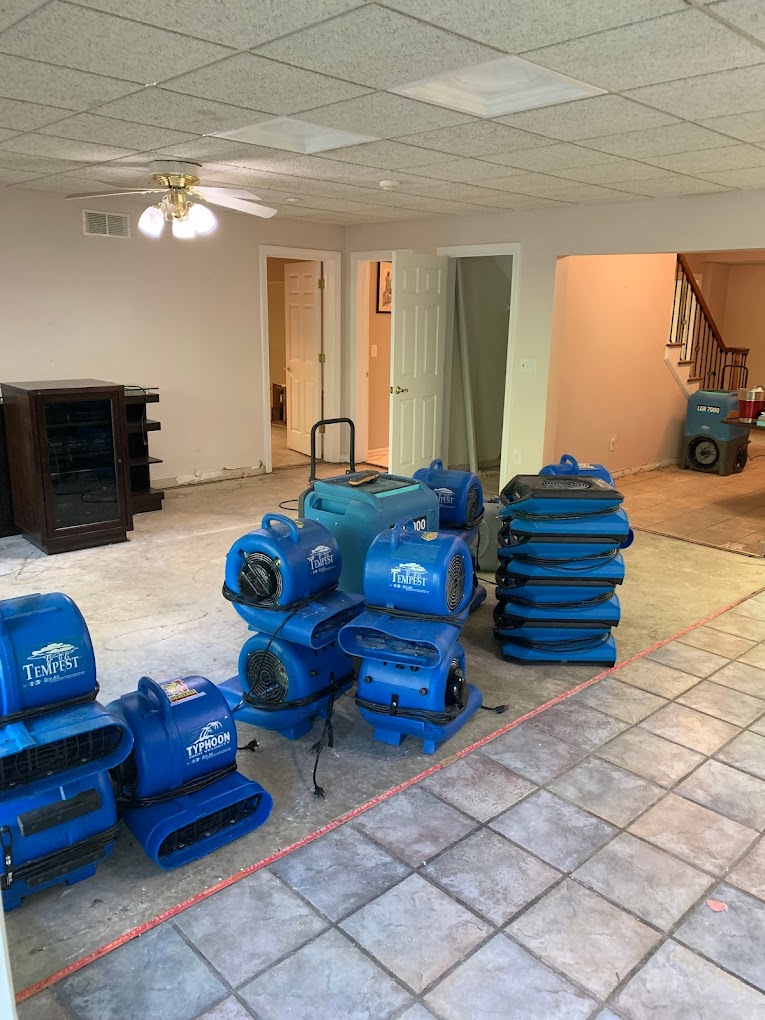
Professional mold removal is especially important in Atlanta because the climate makes natural drying slow. Without strong drying equipment, moisture remains trapped inside walls or floors. Even if the surface appears dry, deeper layers may still hold moisture. This is why homeowners often see mold return after cleaning it themselves. Professionals ensure that every layer is dried thoroughly and treated properly.
Another important step in prevention is maintaining a healthy indoor environment. Keeping humidity below fifty percent can significantly reduce the chance of mold growth. Air conditioners, dehumidifiers, and proper ventilation all play a role in maintaining these levels. Regular inspections, especially after heavy rain or plumbing issues, help catch moisture early before mold has a chance to spread.
Homeowners should also be aware of how daily habits contribute to moisture. Long showers without ventilation, indoor drying of laundry, and cooking without proper airflow all add moisture to the home. In Atlanta, where the air already holds significant moisture, these habits can make mold more likely. Adjusting simple routines can greatly reduce the risk.
When mold becomes visible or when the smell becomes noticeable, professional assessment is the best option. Experts know where mold tends to hide and can track the full extent of the problem. Removing mold without addressing the moisture issue is only a temporary fix. Professional mold removal ensures that the home is not only cleaned but also protected from future growth.
Mold can impact the value of a home as well. Buyers often hesitate when mold is present or when there has been mold in the past. Addressing mold issues quickly and professionally protects the long term value of the property and ensures that the home remains safe and comfortable.
For Atlanta homeowners, mold is a concern that cannot be ignored. The warm, humid climate creates ideal conditions for mold to spread quietly and steadily. Understanding how mold grows, recognizing early signs, and taking fast action can prevent serious damage. Professional help ensures that the problem is addressed completely and safely.
Mold may start small, but its impact is significant. It affects property, health, and long term stability. By understanding the conditions that allow mold to grow and taking steps to control moisture, homeowners can protect their spaces before the problem becomes overwhelming. Awareness and early action remain the best defense against mold in Atlanta homes.