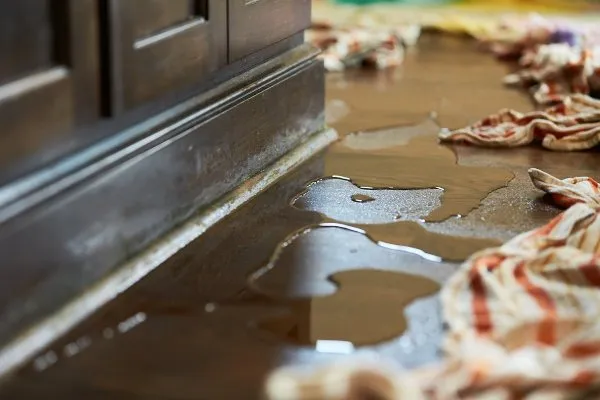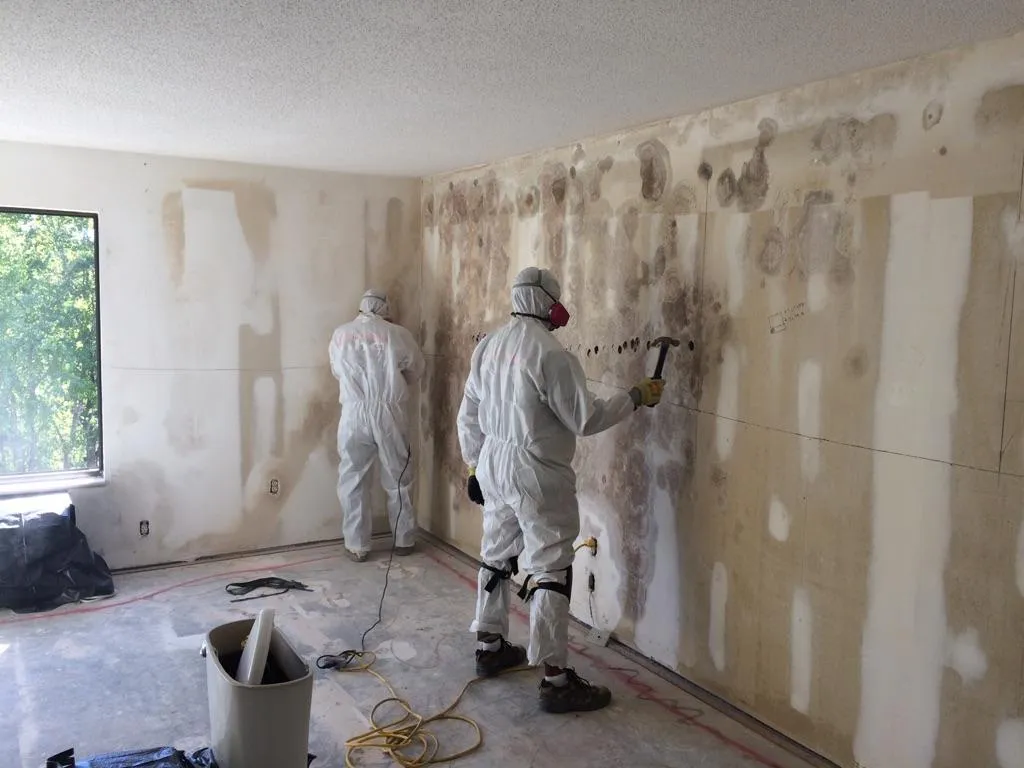
Water damage does not wait. The moment water begins moving through a home or business, it starts affecting flooring, drywall, insulation, electrical systems, and personal belongings. Most people focus on what to do during the first twenty four hours after water damage occurs, but the truth is that the first twenty four minutes are far more important. What you do right away determines how much of your property can be saved and how much the damage will spread.
Atlanta homeowners face added pressure because of the climate. Moist air, warm temperatures, and frequent storms allow moisture to settle quickly and remain inside materials longer than expected. Once water begins soaking into the structure, the drying process becomes difficult and slow. Acting quickly can make the difference between a small controlled cleanup and a large scale restoration project.
Understanding what to do in the first twenty four minutes can help protect your property, limit long term damage, and keep the situation from turning into a much larger problem.
Step One: Stay Calm and Stop the Source if You Can
The first reaction in any water emergency is usually panic, but staying calm allows you to think clearly. Your first goal is to stop the source of the water if it is safe to do so.
If the water is coming from a burst pipe, turn off the main water supply immediately. Every second that water continues to flow increases the damage.
If the water is entering the home from the outside during a heavy storm, do not attempt to fight it in dangerous conditions. Staying safe is always the priority. The source may not be something you can control, but shutting down the areas you can access will still slow the damage.
Even reducing the flow for a short time can prevent the water from reaching more rooms or spreading into deeper layers of the structure.
Step Two: Protect Yourself and Avoid Hazards
Water damage creates conditions that can become unsafe very quickly. Standing water can hide electrical hazards, weak flooring, and contaminated surfaces. Before touching anything, consider your safety.
If you can reach your electrical breaker panel safely, turn off power to the affected area. Never step into water if electrical outlets, cords, or devices are present.
Water from toilets, dishwashers, washing machines, and outside flooding can also contain contaminants. Wearing gloves and avoiding direct contact with the water is important until the source is identified.
Protecting yourself first ensures that you can move on to the next steps without putting yourself at risk.
Step Three: Remove Items at Risk of Damage
Once you know the area is safe and the situation is under control, begin moving belongings out of the affected space. Start with items that absorb water quickly, including clothing, bedding, paper products, and upholstered furniture.
Wood furniture should be lifted away from the water to prevent swelling or staining. Electronic devices should be unplugged only if the area is completely safe.
Removing these items in the first twenty four minutes prevents moisture from seeping into materials that are difficult or impossible to restore. It also clears space for the next steps of the process.
Step Four: Begin Removing Excess Water
You will not be able to remove all the water yourself, but the goal in the first minutes is to reduce the amount that remains on the floor. Towels, mops, and small wet vacuums can help with shallow water.
Removing just a portion of the water slows the spread into walls and flooring.
In Atlanta, where moisture lingers due to the climate, any reduction in standing water makes a significant difference in how long the drying process will take later.
Step Five: Increase Airflow if Safe
If the environment is safe and power has been turned off in the affected area, you can begin increasing airflow.
Opening windows and doors can help bring in fresh air, and fans can help move moisture out of the room.
However, be careful not to use electrical devices near standing water. Fresh air alone can make an impact in the early stages, especially in Atlanta where indoor humidity often matches outdoor conditions.
Step Six: Document the Damage for Insurance
While this step may feel secondary, it is extremely important. Use your phone to take clear pictures and videos of the affected areas.
Capture the water source if visible, the spread of standing water, and any damaged belongings or materials.
Insurance companies often require detailed documentation to process a claim, and the best evidence is collected right away. This also helps restoration professionals understand the timeline of the damage when they arrive.
Step Seven: Call a Water Damage Restoration Company Immediately
Acting in the first twenty four minutes is essential, but your efforts can only go so far without professional help. Water moves through structures faster than most people realize, and hidden moisture creates long term problems that cannot be addressed without specialized tools.
A professional restoration team uses moisture meters, thermal imaging cameras, and commercial grade drying equipment to locate and remove water that has traveled under flooring, behind walls, and into insulation. This is especially important in Atlanta, where the climate slows natural drying and increases the chance of mold growth.
Calling early ensures the team arrives quickly and begins the drying process before serious structural issues develop.
Why Speed Matters So Much in Atlanta
The Atlanta climate creates ideal conditions for moisture to settle and remain inside materials. Drywall, wood framing, carpet, and insulation all react strongly to extended contact with water.
Within minutes, water begins soaking into the surface.
Within hours, moisture reaches deeper layers.
Within days, mold begins forming.
The warm air and frequent humidity prevent water from evaporating, meaning every minute counts. Acting in the first twenty four minutes does not solve the entire problem, but it significantly reduces the damage and makes professional restoration easier, faster, and more affordable.
The First Twenty Four Minutes Can Save Your Property
Water damage is overwhelming, but fast action is your best defense. The steps you take in those first moments determine how far the water spreads and how much of your home can be saved.
Stopping the source, staying safe, removing belongings, clearing shallow water, increasing airflow, documenting damage, and calling a restoration team all work together to protect your property.
Atlanta homeowners face unique challenges due to the climate, but with quick action and professional support, a serious water emergency can be contained before it becomes a long lasting problem. When water enters the home, time matters. The sooner you act, the more you save.